

Account security is easy to overlook when comparing Starsuperette.com with other online casinos in New Zealand. Yet a secure account depends on more than a strong password. Accurate registration details, careful document handling, a reliable recovery method and sensible login habits all matter. Dragonia’s published information describes identity checks, payment-ownership checks and account-security responsibilities, but it also leaves some practical details to the customer. This guide explains how to approach verification and account protection without assuming that every feature, document request or control is available to every account.
Begin with the operator’s stated terms, privacy information and help material rather than relying only on promotional descriptions. Confirm the minimum age requirement, the rules about providing accurate personal details, the one-account policy and the circumstances in which extra checks may be requested. The reviewed terms require customers to use their real name and current information. They also restrict duplicate accounts connected with the same person, household, address, contact details or internet connection. Those conditions can affect account access and promotional eligibility, so they deserve attention before registration.
Check whether the service explains who operates the platform, which jurisdictions are excluded and how country-specific restrictions may apply. The available New Zealand-facing information does not name New Zealand among its excluded jurisdictions, but that does not guarantee that every game or provider is available locally. Individual suppliers may impose separate restrictions. A responsible check therefore includes the registration terms, relevant game rules and any country notice shown during sign-up. If the information conflicts, ask support for clarification before submitting personal documents or funding an account.
Security also starts with the email address and device used for registration. Choose an email account you control and protect it with a unique password and multi-factor authentication where available. Avoid registering through a shared public computer, an unfamiliar browser profile or an unsecured Wi-Fi connection. Save the operator’s official support details separately so that a suspicious message does not become your only route to assistance. These simple steps reduce the chance that an attacker can reset a password or impersonate you during a later verification request.
Verification is designed to establish that the account belongs to the stated person and that activity is not connected with fraud, underage gambling or unauthorised payments. The published requirements may include proof of identity, proof of age and proof of residential address. The operator may also ask for evidence that a payment method belongs to the account holder, transaction records, source-of-funds information, phone verification or a face check. Not every customer will necessarily be asked for every item, and the final request should be read carefully.
Prepare documents only through the account’s recognised upload process or a support channel confirmed through the official site. Check that names, dates and addresses match the registration information. Images should be readable, complete and unaltered; blurred corners or mismatched details can lead to a request for replacement documents. Do not email identity papers in response to an unexpected message until the request has been independently confirmed. Keep a private record of what was supplied and when, but avoid storing unnecessary copies on a shared device.
The reviewed help material gives a typical verification period of 24–48 hours after complete documents are received, while the general terms allow longer processing and further checks. Documents may be required within 30 days, and deposits or withdrawals may be restricted until approval. These timeframes are not a promise for every case. If a request appears unclear, ask support what is missing and whether the submission was received. Avoid repeatedly opening new accounts to bypass a delay, because duplicate-account rules can create a separate compliance problem.
Use a password that is unique to the account and long enough to resist guessing. A password manager can generate and store one without encouraging reuse across email, banking and gambling services. Never share the password with friends, household members or someone claiming to be support. Legitimate support should not need the complete password. If a device offers a browser save-password function, use it only on a personally controlled device protected by a screen lock.
Be cautious with messages about failed deposits, urgent verification, bonus expiry or account suspension. Criminals often use pressure to make people reveal credentials or upload documents quickly. Check the sender address, avoid opening unexpected attachments and reach the service by entering the known website address manually. Keep the operating system, browser and security software updated. The reviewed information recommends using the latest version of Google Chrome for technical access, but an up-to-date alternative browser may also be appropriate if the site supports it.
New Zealand readers can consult New Zealand’s official cyber-security guidance for broader advice on passwords, phishing and protecting personal information. That guidance is not confirmation of any casino’s security controls; it is a general resource for reducing online risk. If you suspect that an account has been accessed by someone else, change the password from a safe device, secure the linked email account, review recent activity and contact support promptly. Do not continue using a compromised session while investigating.
Identity checks and payment checks are closely connected. The published information says withdrawals normally go back to the same payment method used for deposits where technically possible, and that verification must be completed before a withdrawal can be processed. A customer may therefore be asked to demonstrate payment ownership or provide additional financial information. This is not a reason to send documents indiscriminately. Check the exact request, the permitted file types and the secure submission route before responding.
Read the cashier and withdrawal terms before depositing, especially where account security and payment access overlap. The available material says payment methods, currency support, limits and fees can vary by account and country. It also describes possible finance processing periods, pending-withdrawal limits and extra source-of-funds checks. None of these details should be treated as guaranteed for every New Zealand account. Keep payment records, confirmation emails and transaction references so that an unexplained delay can be discussed precisely with support.
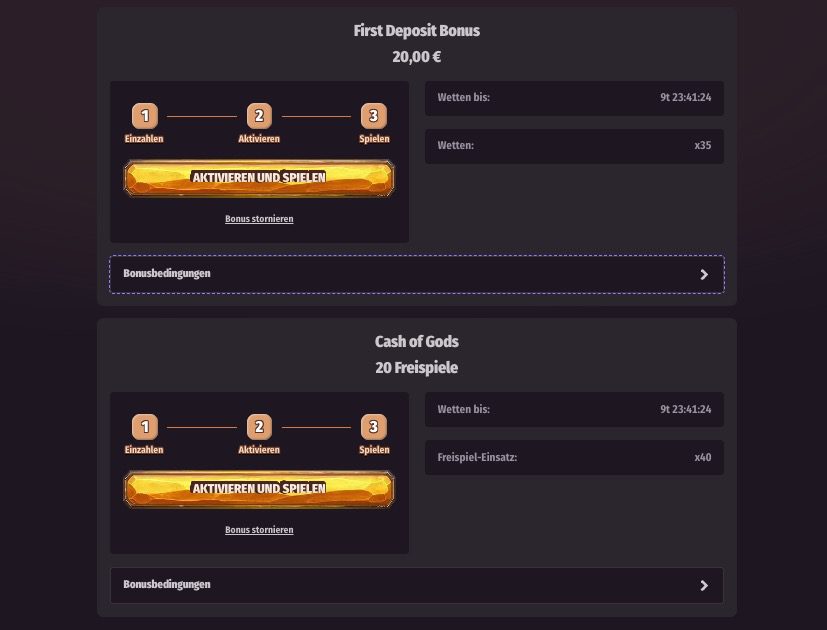
Promotions can add another layer of conditions. A bonus may require activation, impose a time limit or restrict withdrawals while it remains active. Cancelling a promotion may also affect its remaining balance or associated winnings. Before accepting an offer, save the applicable terms and consider whether the conditions make later account decisions more complicated. If a withdrawal is urgent, ask support how an active promotion interacts with verification and payment processing rather than assuming that cancelling it will have no consequences.
For a forgotten password, use the established password-reset process linked to the registered email address. If the message does not arrive, check spam folders without clicking suspicious alternatives, then contact support through the published channel. Forgotten usernames, changed email addresses and technical login failures may require manual assistance. Clearing browser cache and cookies can help with a local display problem, but it will not resolve an incorrect account detail or a security lock.
If personal information has changed, update it promptly through the account or ask support how to amend it. Do not create a replacement account simply because an old email address is unavailable. The terms require information to remain accurate and do not permit accounts to be transferred or sold. If another person has used the account, explain the situation honestly and preserve relevant evidence. Trying to conceal shared access can make an investigation harder and may result in restrictions.
Account closure and self-exclusion are different from temporarily logging out. The available support information says closure can be requested through customer service and that self-exclusion can also be requested through support. It indicates that closure normally requires no remaining balance or pending withdrawal, so ask about the practical process before making a request. If gambling is becoming difficult to control, seek independent help as well as using platform controls. Treat account security and personal wellbeing as connected decisions, not merely technical settings.
Yes. Verification may occur after registration and can be linked to deposits, withdrawals, payment ownership, age, identity, address, source of funds or unusual account activity. The available information does not promise a fixed schedule. Respond through the recognised account or support channel and provide only the documents specifically requested.
Do not open attachments, disclose passwords or upload documents immediately. Check the sender carefully and contact support using the website or previously verified details. If you entered credentials, change the password from a safe device, protect the linked email account and monitor the account for unfamiliar activity.
Do not assume that opening another account is permitted. The stated conditions allow only one account per person and impose related household and contact restrictions. Use password recovery or contact support about reclaiming access. Creating a duplicate may lead to closure and could complicate verification, balances or promotional eligibility.